31 Jul 2026
Payment Innovations Powering Hybrid Gaming Engagement Worldwide

Payment innovations continue to reshape how players interact with hybrid gaming experiences that blend mobile slots, live dealer tables, and cross-platform progressions, and data from industry reports shows these advancements drive sustained participation across formats. Observers note seamless transaction layers now connect deposits directly to bonus activations while supporting real-time play shifts between devices without interrupting sessions.
Core Technologies Behind Seamless Transactions
Researchers at various academic institutions have documented how instant settlement protocols and API-driven gateways reduce latency in hybrid setups, allowing funds to move between virtual wallets and live casino interfaces in seconds rather than minutes. One study from North American gaming analysts revealed that platforms adopting unified payment rails saw participation rates climb steadily through 2025 and into mid-2026. These systems often incorporate biometric verification alongside traditional methods, creating frictionless entry points that maintain compliance across jurisdictions.
What's interesting is the way layered authentication combines with programmable money flows, enabling automatic allocation of winnings into loyalty tiers or progressive jackpot pools without manual intervention. Figures from regulatory filings in Australia indicate similar patterns where integrated payment stacks support both online and venue-based hybrid models, linking physical loyalty cards to digital accounts.
Regional Data and Adoption Patterns
According to a report published by the Responsible Gambling Council in Canada, hybrid gaming environments utilizing advanced payment processors recorded higher session durations during the first half of 2026. Data indicates players frequently transition from mobile bonus rounds to live dealer streams while balances update instantly across both channels. This connectivity stems from standardized protocols that prioritize speed and auditability, helping operators meet oversight requirements in multiple markets.
Yet the reality is that adoption varies by region, with European operators leaning toward e-wallet hybrids that sync with national banking systems, whereas Asian markets experiment more with QR-based instant transfers tied to augmented reality table games. A July 2026 industry survey highlighted how these differences influence overall engagement metrics, particularly when payment innovations allow for micro-transactions that feed directly into shared jackpot networks spanning platforms.
Impact on Player Retention and Platform Features
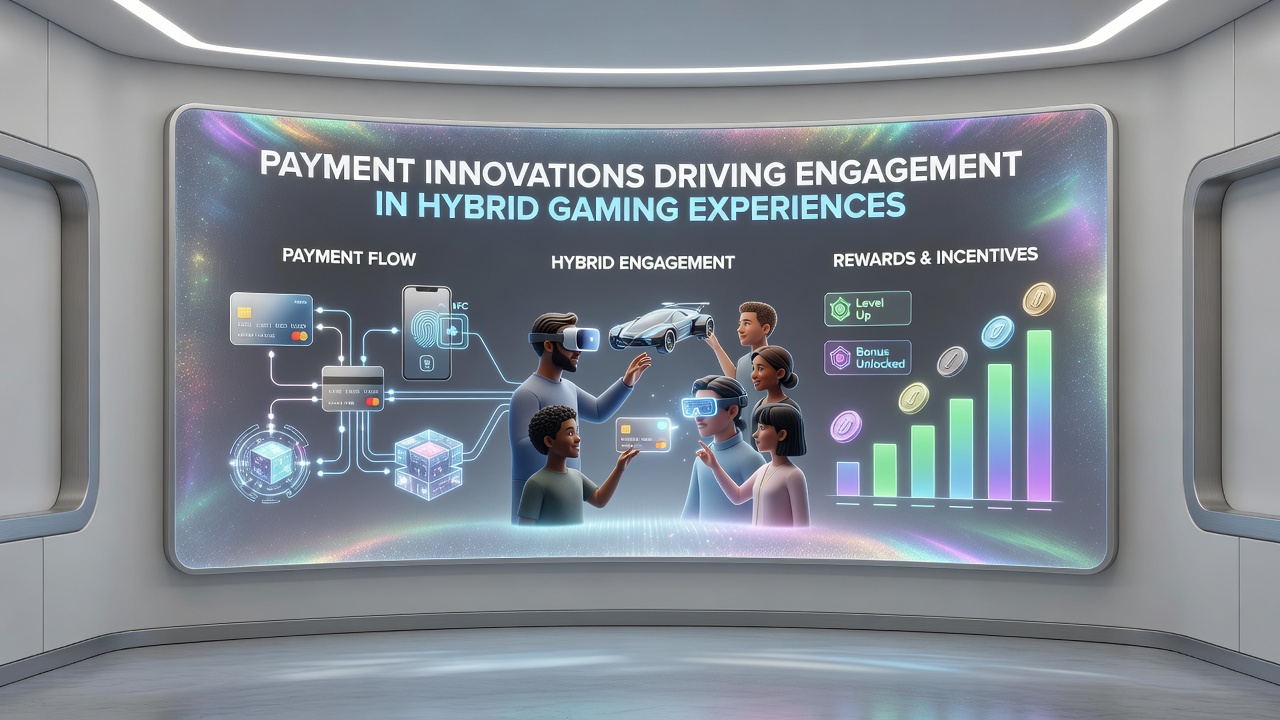
Those who've examined transaction logs across hybrid titles report that features like one-click top-ups during live sessions correlate with extended play windows and increased crossover activity between slot progressions and dealer-led events. Payment gateways now embed promotional triggers, releasing free spin credits or multiplier boosts the moment a deposit clears, which researchers link to measurable upticks in daily active users.
Academic papers from institutions in the Asia-Pacific region further show that when payment innovations support multi-currency handling and instant currency conversion, international players maintain longer engagement streaks in blended gaming environments. These capabilities reduce drop-off points that previously occurred during platform switches, creating more cohesive experiences where progress carries over seamlessly.
Challenges and Ongoing Adjustments
Regulatory bodies continue to refine frameworks around these payment tools, focusing on transparency in how funds flow through hybrid systems. Observers note that operators must balance rapid innovation with security protocols, especially as real-time transfers become standard in live dealer hybrids. Data from trade associations indicates ongoing investment in fraud detection layers that operate alongside payment processors without slowing user flows.
Turns out the integration of payment innovations also supports responsible play tools, such as automated spending caps that sync across mobile and live components. Experts have observed these features gaining traction in markets where hybrid gaming sees rapid growth, helping maintain steady participation levels while aligning with local compliance standards.
Conclusion
Payment innovations keep expanding the possibilities for hybrid gaming by connecting diverse formats through faster, more reliable transaction layers. Evidence from multiple regions demonstrates how these developments sustain player movement between mobile, live, and integrated experiences, with data reflecting consistent patterns of increased interaction as of July 2026. As platforms refine these systems further, the focus remains on maintaining secure, compliant flows that support broader engagement across evolving gaming landscapes.