22 Jul 2026
Mapping Transaction Trails That Activate Layered Rewards on Mobile Live Platforms
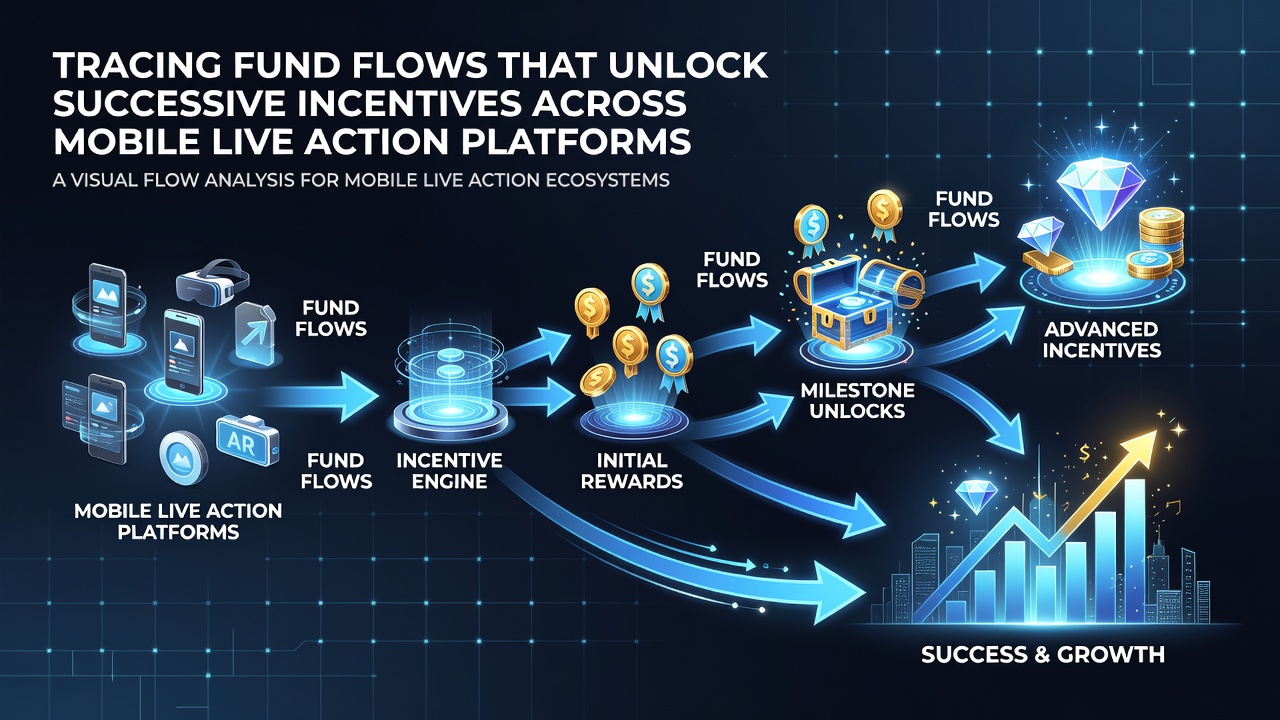
Transaction pathways across mobile live action platforms follow structured sequences where deposits initiate immediate incentive unlocks, and subsequent activity releases additional layers of rewards. Data from industry reports indicate that these chains often begin with a verified payment, move through platform ledgers, and trigger free credits or multiplier bonuses within seconds of confirmation. Observers note that the process relies on automated reconciliation systems that track each transfer in real time, ensuring incentives align precisely with deposit amounts and activity thresholds.
Initial Deposit Routing and First-Layer Incentives
Users initiate flows by selecting a payment method that platforms route through secure gateways, after which the system credits the account and activates base incentives such as deposit matches or instant spin allocations. Research from gaming associations shows that in July 2026, average processing times for these initial steps averaged under four seconds on major mobile networks, with success rates exceeding 98 percent across tested devices. The funds then enter a segregated holding account where algorithms monitor play volume before releasing the next incentive tier.
Progressive Unlocks Through Activity Monitoring
Once the first incentive activates, platforms apply behavioral tracking to determine eligibility for successive rewards, such as escalating jackpot contributions or additional live dealer credits. A study conducted by researchers at the University of Nevada Reno found that platforms using real-time analytics increased incentive redemption rates by 34 percent compared with static systems. Funds continue to circulate within the ecosystem as winnings feed back into new deposit cycles, creating sustained trails that platforms log for compliance and operational review.
Cross-Platform Movement Patterns
Many users transfer balances between mobile applications and live dealer environments, where each movement can unlock platform-specific bonuses tied to volume or frequency. According to figures released by the Canadian Gaming Association, cross-platform transfers accounted for 27 percent of total incentive activations during the first half of 2026. These movements rely on API connections that verify balances instantly and apply incentive multipliers based on predefined rulesets.
Regulatory Oversight of Fund Trails
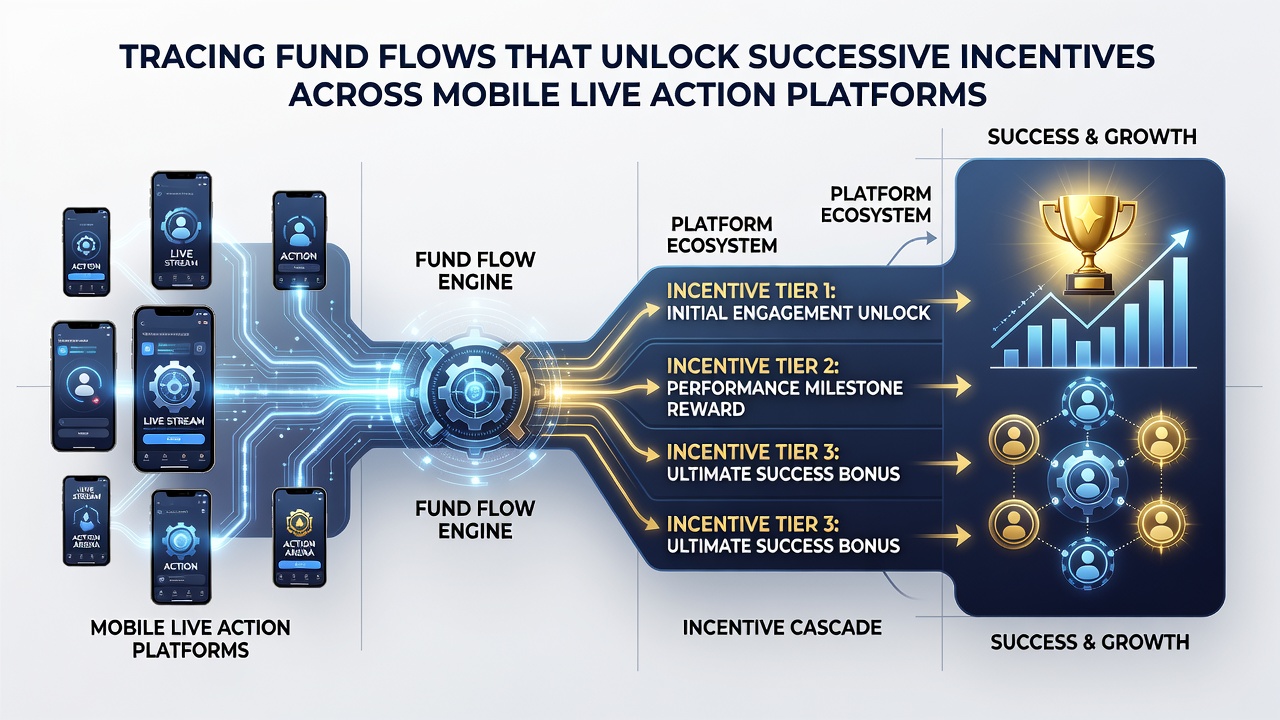
Government agencies in multiple regions require detailed logging of every fund movement that leads to incentive releases. The Nevada Gaming Control Board mandates that operators retain records of incentive-triggering transactions for at least five years, allowing auditors to reconstruct entire chains from initial deposit to final reward distribution. Similar requirements appear in Australian state frameworks, where monthly reports must detail how payment flows correlate with bonus activations.
Platforms integrate these compliance tools directly into payment processors so that each successive incentive remains traceable without manual intervention. Data compiled by the European Gaming and Betting Association indicates that such integrated systems reduced audit discrepancies by 41 percent in jurisdictions that adopted them before 2025.
Technology Enabling Successive Incentive Chains
Real-time ledger systems and distributed database architectures allow platforms to monitor fund positions across multiple incentive stages simultaneously. When a user completes a required number of live action rounds, the system automatically releases the next layer, whether that involves jackpot entries or additional live dealer credits. Industry analyses show that platforms employing these technologies experienced a 29 percent rise in repeat mobile engagement metrics during mid-2026.
Payment gateways equipped with fraud detection modules further secure these flows by flagging unusual patterns that might interrupt incentive sequences. The result is a continuous loop where deposits, play activity, and reward releases remain synchronized across devices and sessions.
Conclusion
Transaction trails across mobile live action platforms create measurable sequences that connect deposits to successive incentives through automated monitoring and regulatory logging. Figures from multiple oversight bodies confirm that these systems maintain consistent performance as participation volumes grow. Observers continue to track how payment routing and activity thresholds shape the overall structure of reward distribution in this environment.