5 Aug 2026
Licensing Disparities Across Regions Redefine Access to Verified Jackpot Pools and Live Table Incentives
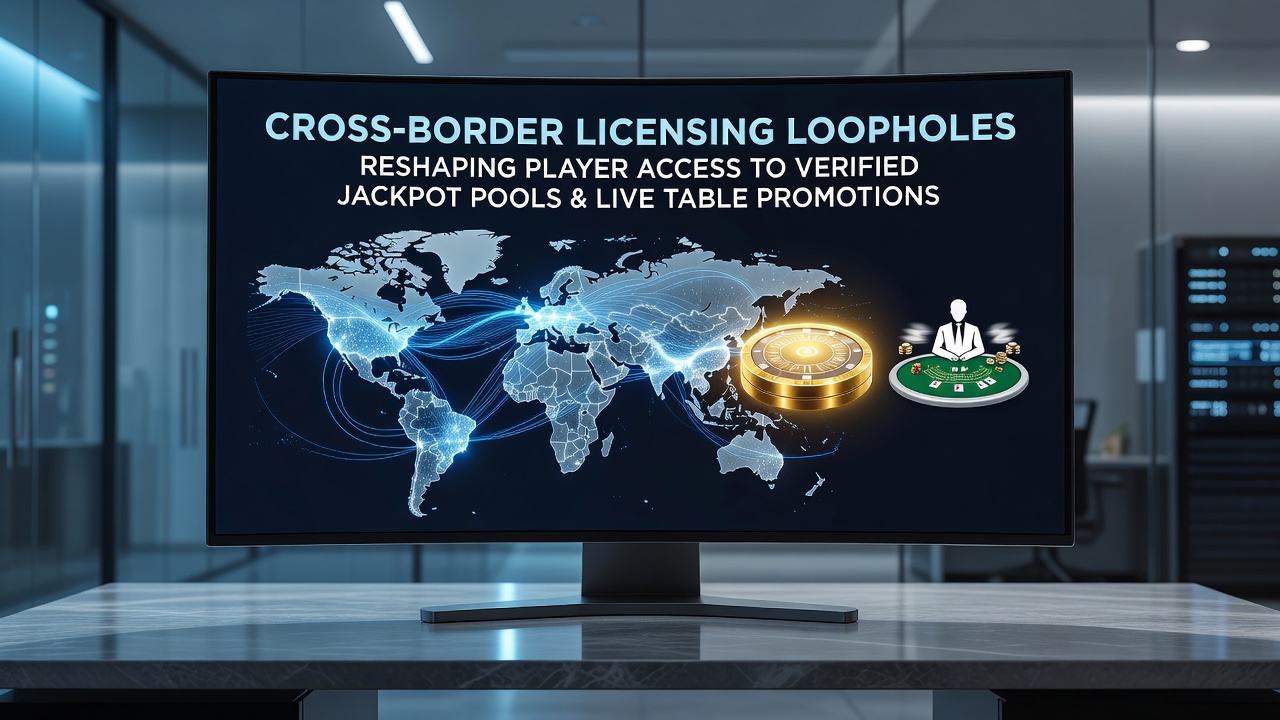
Operators navigate multiple licensing frameworks that differ sharply between jurisdictions, and this creates pathways that let some platforms extend verified jackpot pools and live table promotions to players in regions where direct licensing would otherwise restrict participation. Data from industry reports shows that cross-border arrangements often rely on secondary licenses issued in places with lighter oversight, which allows operators to pool player contributions into larger progressive systems while maintaining compliance in their primary market.
Mechanics Behind Cross-Border Licensing Arrangements
Regulators in various countries issue licenses that carry different requirements for jackpot verification and promotional transparency, and operators exploit these differences by routing traffic through entities holding permits from multiple authorities. Research from the European Commission on online gambling markets indicates that such multi-license structures grew notably between 2023 and 2025, with many platforms securing secondary approvals in jurisdictions that permit pooled jackpot participation even when the player's home regulator imposes stricter verification rules. Those arrangements mean players sometimes gain entry to certified pools that aggregate contributions across borders, yet the same structures can limit access when one license holder faces enforcement actions that ripple through shared networks.
Live table promotions follow similar patterns because operators bundle dealer-hosted games with bonus offers that draw from international player bases, and licensing gaps allow these bundles to reach audiences in markets where standalone live promotions face caps or disclosure mandates. Figures from the Australian Institute of Family Studies reveal that participation in cross-promoted live tables increased in regions with indirect access via foreign licenses, while direct local licensing often requires separate approval for each promotional layer.
Effects on Verified Jackpot Pool Participation
Verified jackpot pools depend on audited contribution tracking and payout guarantees, yet licensing loopholes let operators channel funds from players in loosely regulated areas into pools certified under stricter standards. Observers note that this mixing can expand pool sizes quickly, but it also introduces questions about eligibility when a player's jurisdiction updates its rules mid-2026. In August 2026 several North American regulators began reviewing whether contributions routed through foreign secondary licenses still qualify for the main certified pools, and early data shows some platforms paused new entries pending clarification.
Players in Europe and parts of Asia have experienced fluctuating access because operators adjust routing based on which license remains active, and this leads to sudden changes in which jackpot networks appear available on a given site. Industry reports from the Canadian Gaming Association document cases where verified pools lost contributions after one license in the chain faced suspension, forcing operators to redirect remaining players to smaller regional jackpots that carried different verification standards.

Shifts in Live Table Promotion Availability
Live table promotions often combine deposit matches, cashback tiers, and tournament entries, and cross-border licensing lets operators extend these offers to players who sit outside the primary license's direct reach. Data collected by the National Council on Problem Gambling in the United States shows that promotional volume tied to live dealer tables rose in markets where secondary licenses bridged regulatory gaps, while platforms operating solely under one jurisdiction reported slower growth in the same period. Those patterns emerged because operators could apply bonus structures approved in one country to traffic originating elsewhere without triggering immediate local review.
Enforcement actions in one region can still disrupt promotion chains when shared jackpot or bonus pools become involved, and players then face restricted access until operators restructure their licensing footprint. Reports from the Malta Gaming Authority highlight instances where live table incentives paused for weeks after a partner license in another country required additional compliance checks, illustrating how interconnected approvals create both wider reach and single-point vulnerabilities.
Regulatory Responses and Market Adjustments
Authorities across multiple continents continue to examine these licensing chains, and some have introduced requirements for clearer disclosure of which license governs each jackpot or promotion. In 2026 several jurisdictions began requiring operators to list the primary and secondary permits on promotional pages, which gives players more information about the rules that actually apply to their participation. Industry associations note that these transparency measures have prompted some operators to consolidate licenses rather than maintain complex webs that expose them to enforcement overlap.
Platforms respond by updating their terms to specify which jackpot pools remain open to players from specific countries, and this reduces unexpected access changes while still allowing cross-border pooling where permitted. Research published by academic teams studying gambling regulation indicates that such adjustments have stabilized participation rates in verified pools even as the underlying licensing structures evolve.
Conclusion
Cross-border licensing differences continue to shape which verified jackpot pools and live table promotions reach players, and the patterns established through secondary approvals show no sign of disappearing. Regulators in multiple regions keep refining their approaches to these arrangements, while operators adjust routing and disclosure practices to maintain compliance across the licenses they hold. The result remains a dynamic landscape where player access depends on the interplay between different regulatory frameworks rather than any single set of rules.