17 Jul 2026
Deposit Velocity and Multi-Layered Incentive Systems in Hybrid Casino Platforms
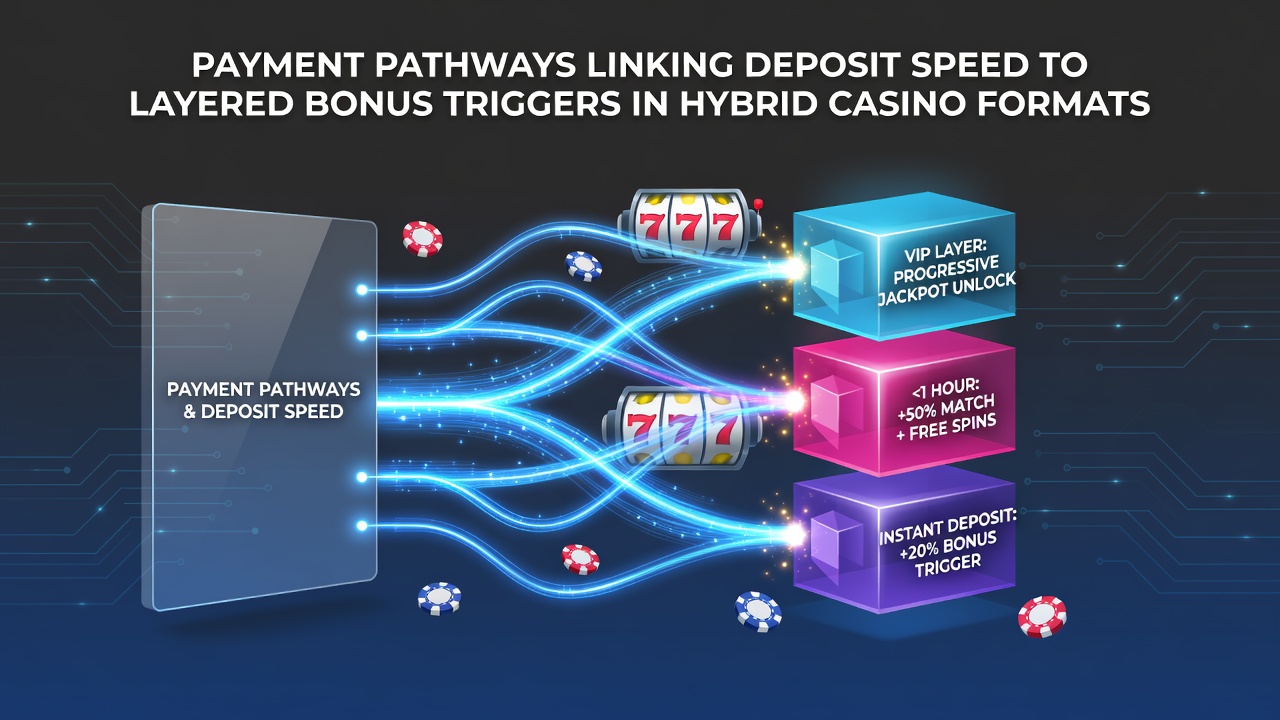
Hybrid casino platforms combine digital slots with live dealer tables and progressive jackpot networks, and payment pathways now determine how quickly deposits activate successive bonus layers. Transaction processing times directly influence whether a player receives an initial deposit match, followed by free spin allocations, and then jackpot entry qualifications all within a single session.
Core Payment Mechanisms in Hybrid Environments
Payment gateways integrate with casino management systems through real-time APIs that monitor deposit confirmation speeds, and these systems trigger bonus eligibility once funds clear predefined velocity thresholds. Faster authorizations from e-wallet providers often unlock the first bonus layer within seconds, while card transactions that require additional verification steps may delay the second layer of free spins or multiplier boosts until the next game round begins.
Industry reports from the American Gaming Association highlight how operators configure these pathways to align deposit confirmation intervals with promotional schedules, creating sequences where a single transaction can cascade through multiple incentive stages. The timing between deposit receipt and bonus credit determines whether players access stacked rewards in one continuous play period or encounter staggered releases across separate sessions.
Layered Bonus Trigger Sequences
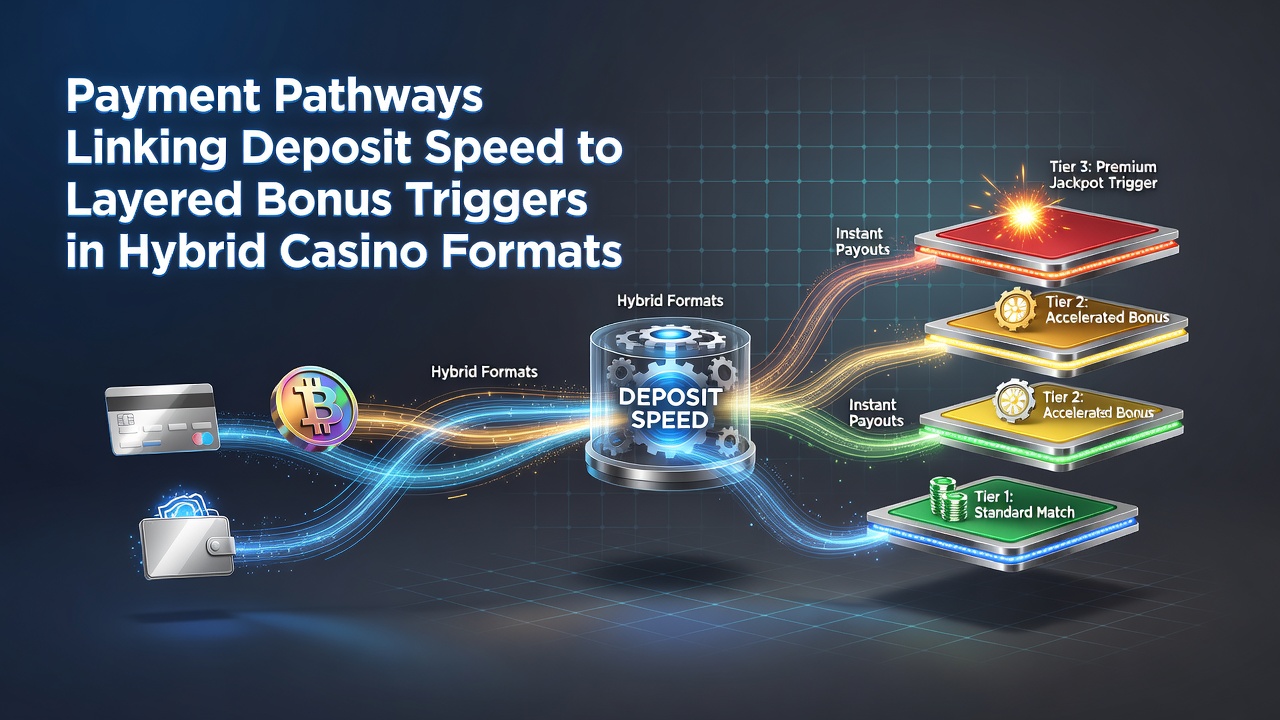
Layer one typically activates upon deposit confirmation and delivers a percentage match on the incoming funds, while layer two engages once the player meets a minimum wager threshold using those funds and releases free spins on selected slot titles. Layer three then becomes available when jackpot contribution requirements are satisfied, often requiring both the initial deposit and subsequent spins to register within tight time windows that fast payment rails help maintain.
Hybrid formats add complexity because live dealer segments run parallel to automated slot engines, and bonus triggers must synchronize across both environments. A deposit processed in under ten seconds can simultaneously credit a table game promotion and slot-based free rounds, whereas slower pathways force players to complete the first layer before the second activates.
Technical Integration Points
Backend servers track deposit timestamps against bonus rule engines that reference player history and current session metrics, and these engines adjust trigger conditions based on velocity data. When a payment pathway delivers funds above a set speed threshold, the system automatically escalates the player to the next bonus tier without requiring additional manual input.
Observers note that operators test these integrations during peak hours to ensure consistent performance, while data from the Nevada Gaming Control Board shows increasing adoption of instant settlement protocols that reduce average deposit-to-bonus intervals across hybrid sites. The same protocols also log each trigger event for compliance audits that verify bonus fairness and timely delivery.
Regional Data Patterns Emerging in Mid-2026
Figures released in July 2026 from regulatory filings in multiple jurisdictions indicate that hybrid platforms using sub-five-second deposit pathways recorded higher rates of multi-layer bonus completion compared with those relying on traditional card rails. The patterns appear across both mobile and desktop interfaces, suggesting that payment speed influences player progression through bonus sequences regardless of device type.
Research compiled by the Australian Gambling Research Centre examined transaction logs from combined slot and live formats, revealing that pathways capable of instant verification correlated with increased activation of secondary and tertiary bonus stages within the same hour. These findings align with observations from European operators who adopted similar instant-settlement standards earlier in the decade.
Operational Considerations for Platform Operators
Operators must calibrate bonus rule parameters against the actual processing capabilities of each payment provider they integrate, because mismatches between expected and realized speeds can prevent players from reaching later layers. Testing environments simulate various deposit velocities to confirm that trigger conditions activate correctly before platforms deploy updates to live systems.
Security protocols require encrypted timestamp logging for every deposit and bonus event, and these records support audits that verify compliance with responsible gaming limits tied to deposit activity. When pathways maintain consistent velocity, the layered system operates as designed, allowing players to progress through matches, spins, and jackpot entries without interruption.
Conclusion
Payment pathways that prioritize deposit speed create direct connections to the activation order of layered bonuses in hybrid casino formats, and the technical infrastructure supporting these connections continues to evolve with new settlement standards. Data from regulatory and research sources demonstrates measurable differences in bonus completion rates based on transaction timing, while operational frameworks ensure these systems remain auditable and synchronized across slot and live dealer components. As platforms refine these integrations, the relationship between payment velocity and incentive sequencing remains a central element of hybrid casino design.